


Shipping container homes have gained popularity because they’re cheap, flexible, and eco-friendly. If you want an affordable place to live or like how they look, building your own container home can be a fun and satisfying project. This guide will show you how to design and build your own shipping container home step by step. We’ll cover important things to think about, like legal rules, insulation, and upkeep.
Understanding the Basics of Shipping Container Homes
What is a Shipping Container Home?
A shipping container home is a house made from containers once used to ship goods. These tough boxes can handle harsh weather and are easy to change into cozy homes. With good planning and building methods, container homes can be a cool and green choice instead of regular houses.
Benefits of a Shipping Container Home
Building a container home has many perks. The main one is that it’s cheap. A container costs way less than a normal house, so it’s great for people who don’t have much money to spend. There are also several options for financing your shipping container home if that is your preference.
What’s more, shipping container homes are super tough. Their strong steel build and ability to handle rough weather make them a smart pick for places that often face natural disasters.
But the good points of shipping container homes don’t stop at being cheap and long-lasting. These homes are also good for the planet. By reusing shipping containers, we cut down on waste and give new purpose to stuff that might otherwise end up in dumps. Also, building shipping container homes needs less stuff than regular homes, which means they leave a smaller mark on the environment.
Common Misconceptions about Shipping Container Homes
Even though shipping container homes are getting more popular, people still have some wrong ideas about them. A lot of folks think they’re too small and don’t have enough room. However, smart architects and designers have shown that with good planning and clever designs, these homes can be roomy and practical.
Another thing people get wrong is thinking you need to make a ton of expensive changes to build a shipping container home. The truth is, while you might need to make some tweaks to fit what you want and need, you can add many basic features to the container without spending a fortune.
What’s more shipping container homes have an influence on versatility. You can stack or join these structures to create multi-level living spaces or even entire communities. This flexibility allows for countless options in design and layout making shipping container homes a customizable housing choice.
Preparing to Build Your Shipping Container Home
Picking the Right Shipping Container
To start building a shipping container home, you need to select the right container for your project. Think about size, condition, and configuration. It’s crucial to choose a container that fits your specific needs and matches the overall design you have in mind.
When you’re buying a container, make sure you check it out carefully to spot any damage or signs of wear. Keep an eye out for containers with little to no rust, and think about getting one made of corten steel, which stands up well to corrosion. Also double-check that the container’s size meets your local building rules and regulations.
Did you know the market offers different types of shipping containers? Besides the usual 20-foot and 40-foot containers, you can find high cube containers with extra height open-top containers that make it easy to load and unload big items, and refrigerated containers perfect for cargo that needs specific temperatures. Knowing your options helps you pick the right container to build your shipping container home.
Legal Considerations and Building Codes
To start your shipping container home project, you need to understand the legal considerations and building codes in your area. More and more towns accept shipping container homes, but you must make sure your project follows local rules.
Get in touch with your area’s building department to ask about required permits and specific rules for container homes. Hire a skilled architect or designer who has worked on container homes before. They can guide you through any possible issues and make sure your project follows all the necessary codes and rules.
Keep in mind that some places might limit how many shipping containers you can use for your home. They might also ask you to make certain changes to ensure the structure is safe. Learning about these rules ahead of time will help you avoid wasting time and getting frustrated during the building process.
Site Preparation and Foundation Work
After you pick your container and get the required permits, you need to get the site ready for building. Clean the area and make the ground level. Make sure it’s packed down well and has no junk on it. Think about getting a pro contractor to do any digging or base work. This will make sure your container home has a strong and steady foundation.
For the foundation, you’ve got a few options to think about. You could go for a concrete slab, piers, or a crawl space. What you choose depends on things like local building rules, what the soil’s like, and how much money you want to spend. Talking to a structural engineer can help you figure out the best foundation for your specific project.
Did you know that some container home fans choose unique foundation options like helical piles or screw piles? These foundations are easy to install, cause less site damage, and work well on uneven ground. Looking into different foundation choices can give your shipping container home a special look while making sure it stays strong and lasts long.
Designing Your Shipping Container Home
Planning Your Layout
To create a good shipping container home design, you need to plan and use the space well. Think about how you live and what’s important to you when you decide on the layout. This will help you make a design that works well and feels comfortable.
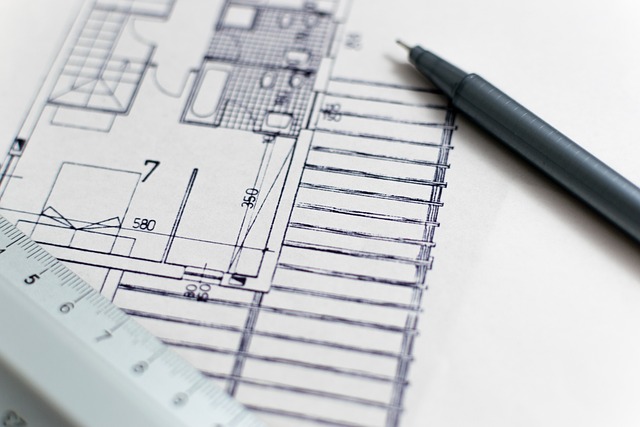
Start by drawing up a floor plan that covers all the key living areas, like bedrooms, bathrooms, kitchen, and living rooms. Remember, you can stack, join, or change containers to make unique layouts that fit what you need.
As you sketch out the layout, think about sunlight and airflow. Putting windows in the right spots and adding good insulation will help create a cozy and energy-saving home environment.
A popular design choice is to make an open-concept layout where the living, dining, and kitchen spaces blend into one another. This makes the most of the available room and helps family members feel closer and more connected at home. Picture yourself cooking dinner while chatting with your loved ones or guests in the living room.
When you plan your layout, think about adding spaces that can serve many purposes. You can turn containers into flexible areas that fill different needs. For instance, a bedroom can work as a home office during the daytime, or you can switch a dining area into a workspace when you need to. This adaptability lets you get the most out of your floor space and adjust to your changing needs as time goes on.
Considering Insulation and Temperature Control
Insulation plays a key role in any shipping container home to keep temperatures comfortable all year. Without good insulation, containers can get too hot or too cold.
You have several options to insulate shipping container homes. These include spray foam rigid foam boards, and reflective foil. Talk to an expert to find out which insulation method suits your climate and budget best.
Besides insulation, think about using passive design strategies to control temperature even more. You can add things like shades thermal mass, and natural airflow systems. Using nature’s power this way lets you cut down on artificial heating and cooling. This makes your home greener and cheaper to run.
Incorporating Windows and Doors
Windows and doors have an impact on how your shipping container home works and looks. They let in natural light and fresh air, and they also make your home look better from the outside.
When you pick windows and doors, go for ones made just for shipping container homes. They need to be tough, able to stand up to bad weather, and good at saving energy. Also, think about where you put the windows and doors to get the best views, keep your privacy, and let in plenty of sunlight.

Picture yourself waking up to a stunning mountain view or watching the sun go down from your living room couch. If you put your windows in the right spots, you can frame the scenery around you and bring a bit of the outdoors inside. This creates a nice link between your home and nature.
Also, think about using new door designs, like sliding or folding ones, to make indoor and outdoor spaces flow together. This helps create smooth transitions and gives you more room to live in, which comes in handy when you have guests over or throw parties.
Constructing Your Shipping Container Home
Cutting and Modifying the Shipping Container
After you settle on the design and layout, you need to get the container ready for construction. This means cutting holes for windows and doors, and making any changes needed to connect or stack multiple containers.
When you cut into a shipping container, you must think about keeping the unit strong. People often use special tools like plasma cutters or angle grinders to make exact openings without weakening the container. Also, you might need to add steel supports to the edges of the cut openings to keep the container sturdy.
Working with shipping containers needs special tools and know-how. You should hire a pro who knows how to work with containers to ensure exact changes and keep the structure strong.
Installing the Insulation
Once you’ve made the necessary changes, it’s time to put in insulation. Good insulation creates a comfortable and energy-efficient container home.
Insulation helps control the temperature inside the container and makes the space quieter. You can pick from different materials like regular fiberglass, eco-friendly recycled denim, or spray foam, depending on what you need and can afford.
When you install the insulation, follow the maker’s instructions and pay attention to gaps and seams. A container with good insulation will keep the temperature steady and use less energy for heating and cooling.
Adding Interior Walls and Floors
With the insulation set, you can start to build interior walls and floors. This involves framing walls putting up drywall, and choosing the right flooring materials.
When you plan the inside of your shipping container home, think about the small space. Open floor plans and furniture that serve multiple purposes can help you make the most of the area. Also, adding built-in storage can keep the space tidy and free from clutter.
Think about using eco-friendly materials for the interior finishes, like recycled wood or bamboo, to make your container home even more friendly.
Finishing Touches for Your Shipping Container Home
Installing Plumbing and Electrical Systems
As builders wrap up construction, it’s time to think about putting in key systems, like plumbing and electricity.
Talk to certified experts to make sure everything’s set up right and follows building rules. Think about where to put fixtures and outlets so they fit your daily needs and look good too.

For plumbing, look at how your container home is laid out and where your water comes from. Design your pipes so water flows well to every part of your home, from the kitchen to the bathroom.
To set up the electrical system, team up with an electrician to figure out the best spots for outlets and switches. Think about how many and what kind of appliances and gadgets you’ll use to make sure your electrical system can handle the load.
Exterior and Interior Design Considerations
Once you’ve got the structure sorted, it’s time to add your personal touch to your container home’s design.
Pick exterior finishes and cladding materials that protect and make your home look good. Look into eco-friendly easy-to-maintain materials that can stand up to the weather.
For the inside, let your imagination run wild. Go for furniture, decorations, and colors that show who you are and create a cozy welcoming vibe.
Think about adding special design elements to your container house, like roof windows or big glass panes. These can let in more sunlight and make the space feel bigger.
Landscaping and Outdoor Spaces
Remember to focus on the areas outside your container home too. Good landscaping not looks nice but also makes your property more livable and useful.
Build outdoor areas such as patios or decks, to expand your living space and enjoy the outdoors. Use eco-friendly gardening methods and local plants to cut down on water use and upkeep needs.
Think about putting a garden in your outdoor area where you can grow herbs, veggies, or flowers. This adds some green and lets you enjoy growing your own food.
Also, look into adding eco-friendly features to your yard, like systems to collect rainwater or outdoor lights powered by the sun, to reduce your impact on the environment.
Maintaining Your Shipping Container Home
Regular Maintenance Tasks
Just like any other house shipping container homes need regular upkeep to stay in good shape and work well. Make sure to clean check for rust or leaks, and take care of the foundation as part of your usual maintenance plan.
Keep an eye on your container’s condition and fix problems to stop more damage from happening.
When you clean your shipping container home, go easy on it. Don’t use strong chemicals that might hurt the outside of the container. Instead, pick cleaning products that are good for the environment and won’t harm the surface but still get rid of dirt and grime. You can make your container home look clean and fresh with just some mild soap and water.
Checking for rust and leaks plays a key role in keeping your shipping container home sound. Make sure you look over the outside for any rust or corrosion signs. Keep an eye out for spots where water might collect, like around windows and doors. If you see rust, don’t worry. With some hard work, you can tackle the problem and stop it from getting worse.
Handling Rust and Corrosion
Rust and corrosion often cause issues with shipping container homes, as they face the weather over time. But if you take care of your home and check it , you can manage these problems without much trouble.
Take care of rusty spots right away by sanding, priming, and putting on rust-resistant paint or coating. This helps stop more rust and makes your container home look fresh. Make sure you pick paint or coating made for outdoor use that can handle weather.
Check the container often for any rust signs near seams and joints. These spots tend to rust more because they’re always exposed to moisture. If you see any rust, act fast. For bad rust, you might need to ask a pro what to do.
Energy Efficiency and Sustainability Tips
Boost your container home’s energy efficiency and eco-friendliness with these easy tips:
- Pick appliances that save energy and use LED lights to cut down on power use.
- Set up solar panels to tap into green energy and depend less on the power grid.
- Put in fixtures that save water and adopt habits that use less water.
- Think about catching rainwater to water your plants and garden.
When you bring these green ideas into your container home, you’ll shrink your impact on the planet and create a home that wastes less.
Creating a home from a shipping container is a fun and satisfying process. If you plan well pay attention to the small things, and use your imagination, you can build a one-of-a-kind, eco-friendly house that suits your needs and fits your budget. So, get ready to work hard, start saving up for the build, and prepare to begin this amazing project.

