How much do shipping containers cost in 2026? The average price sits near $3,000, though buyers should expect a range between $1,500 and $15,000 depending on size, condition, and location. New containers typically run from $1,825 to $3,225, whereas used options range from $1,075 to $2,175. Understanding how much are shipping containers in various configurations, as well as how much is a shipping container based on factors like size and condition, helps buyers make informed decisions. This guide breaks down current pricing, explores cost variables, and reveals strategies to secure the best deals on containers in today’s market.
How Much Are Shipping Containers in 2026?
Market conditions have stabilized following years of volatility, creating more predictable pricing structures for buyers. As of February 2026, container costs reflect balanced global demand, though logistical bottlenecks in parts of Asia and Africa still cause occasional price spikes and supply delays.
New Shipping Container Prices
New shipping containers maintain premium pricing due to their pristine condition and single-voyage history. These units typically complete just one trip from the manufacturer to their current location, arriving in excellent condition with no wear and tear from frequent use. Built from corten steel, new containers offer strong durability and weather resistance for buyers prioritizing longevity.
Summer 2026 pricing shows new 20-foot containers ranging from $1,825 to $2,475, with broader market estimates placing them between $2,500 and $3,500. For 40-foot high cube units, prices fall between $2,820 and $3,220, though some markets see ranges extending to $3,700-$5,125.
Regional variations significantly impact final costs. Chicago buyers pay approximately $2,900 for new 20-foot containers, whereas Salt Lake City prices reach $4,350. Los Angeles and Newark both average $3,100 for the same size. For new 40-foot high cube containers, costs range from $4,350 in Chicago to $4,800 in Salt Lake City.
Used Shipping Container Prices
Used containers offer budget-conscious alternatives with pricing determined by condition classification. Cargo Worthy containers, certified for export shipping and accepted by major steamship lines, cost $1,300 to $1,700 for 20-foot units. Wind & Watertight containers, suitable for secure storage but not export certification, run $1,075 to $1,600 for the same size.
For 40-foot units, Cargo Worthy containers range from $1,575 to $2,000, whereas Wind & Watertight options cost $1,350 to $1,850. High cube variants add 10-20% to standard 40-foot pricing for the same condition grade.
Average used 20-foot container costs span $1,300 to $2,000 across most markets, with 40-foot containers running $2,000 to $3,200. Geographic location creates substantial price gaps. Atlanta buyers face $1,850 for used 20-foot containers, while Dallas prices climb to $1,950 and Charlotte reaches $2,300. Used 40-foot high cube containers range from $1,850 in Los Angeles to $3,200 in Salt Lake City.
One-Way vs Multi-Trip Containers
One-trip containers bridge the gap between new and heavily used options. These units complete a single international voyage before sale, maintaining near-new condition with minimal exposure to sea conditions. A one-trip 40-foot container typically costs $3,700 to $5,125, positioning it at premium pricing compared to multi-trip alternatives.
Multi-trip containers vary based on retirement schedules. Some vessels retire containers after 13-15 years of service, while others wait up to 20 years. Those five additional years at sea create noticeable differences in structural integrity and appearance. Used 40-foot containers in good working order cost $1,750 to $3,000, representing 25-30% more than comparable 20-foot units[6]. New containers command 40-60% price premiums over their used counterparts.
Shipping Container Sizes and Prices
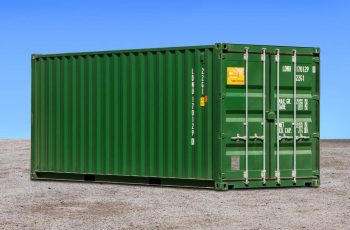
Container dimensions directly influence pricing structures, with each size serving distinct storage and shipping applications. The 20-foot unit remains the most common option, measuring 6.05 meters long by 2.43 meters wide by 2.59 meters tall. Standard containers stand 8 feet 6 inches tall externally, whereas high cube variants add an extra foot of height at 9 feet 6 inches.
20-Foot Container Cost
Economy grade 20-foot containers start at $1,177 for basic storage needs, showing noticeable wear but maintaining structural integrity. Wind and watertight units range from $1,725 to $1,825, providing sealed protection against weather without export certification. Cargo worthy containers, inspected to meet marine requirements, cost between $1,950 and $2,050[28].
Multi-trip containers in excellent condition sell for $2,600, offering reliability without premium pricing. One-trip units, having completed just a single voyage, range from $2,625 to $2,750[28]. Specialized configurations command higher prices: double-door units at both ends cost $3,500 to $3,600, while side-door models reach $5,150 to $5,250.
Weight capacity factors into purchasing decisions. Empty 20-foot containers weigh approximately 2,100 kilograms, with maximum payload reaching 28,000 kilograms. This substantial capacity makes them suitable for heavy equipment, seasonal vehicles, and construction materials.
40-Foot Standard Container Cost
Standard 40-foot containers provide double the storage volume of 20-foot units at proportionally lower per-square-foot costs. Economy grade units start at $1,950, delivering functional storage despite visible use. Wind and watertight containers range from $2,100 to $2,200[33]. Cargo worthy units certified for international shipping cost $2,300 to $2,500[33].
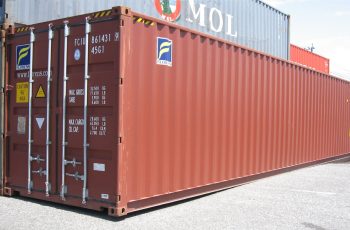
One-trip 40-foot standard containers run $4,100 to $4,200, maintaining near-pristine condition after minimal use[33]. These units measure 40 feet in length with standard 8-foot 6-inch height, offering 320 square feet of floor space.
40-Foot High Cube Container Cost
High cube models add one foot of vertical space, creating 9-foot 6-inch internal clearance for taller cargo. Economy grade high cube containers start at $1,825. Wind and watertight units cost $1,975 to $2,400 depending on condition and market[28]. Cargo worthy high cube containers range from $2,325 to $2,700[28].
Premium cargo worthy units in excellent condition reach $2,300. Multi-trip high cube containers sell for $3,400 to $3,500[33]. One-trip high cube units range from $3,600 to $4,650[23][28]. Specialty configurations with open sides cost significantly more, with four-door models at $8,000 and full open-side units reaching $13,500.
10-Foot and Custom Size Containers
Compact 10-foot containers serve properties where standard units cannot fit. These mini containers provide secure storage for tools, equipment, and parts in tight urban environments or construction sites. New one-trip 10-foot containers cost $4,200. Built from corten steel with marine-grade paint, they maintain durability despite smaller footprints.
Availability varies by location. Coastal depots in Los Angeles, Houston, Miami, New York, and Chicago stock all grades and sizes. Inland depots in Denver, Kansas City, Las Vegas, and Salt Lake City carry only common sizes and grades. Custom sizes between 8 feet and 48 feet exist, though specialized units require individual quotations based on modification requirements.
Factors That Affect Shipping Container Costs
Several interconnected variables determine how much do shipping containers cost beyond basic size classifications. Buyers face price variations of 50% or more for identical container dimensions depending on these underlying factors.
Container Condition and Grades
The container market categorizes units by condition rather than strict age. One-trip containers complete exactly one ocean journey and typically span 5-15 years old with minimal use history. These units command 40-60% premiums over comparable used containers. A properly maintained one-trip container delivers 15-20+ years of functional lifespan, with minimal damage reducing maintenance requirements.
Cargo Worthy containers accumulate 10-15 years of international shipping service. They meet standards for keeping contents dry and protected from wind, though visible weathering appears on surfaces. These units provide 10-15+ additional years of functional life when maintained properly, with most lasting 25-30 years total before becoming unsuitable for weather-exposed applications.
Wind and Water Tight containers average 15-20 years at sea and no longer meet structural requirements for stacking on cargo ships. IICL containers pass inspection criteria from the International Institute of Container Lessors, ensuring good enough condition for long-term cargo shipping. AS-IS containers arrive with extensive internal and external issues, including broken flooring, holes, and extensive rust, without guaranteed structural integrity.
Geographic Location and Depot Distance
Containers located at ports or major logistic hubs cost less due to reduced transportation expenses. East coast and west coast units run more affordable than midwest or gulf containers. Ports like Newark welcome tens of thousands of containers weekly, creating favorable pricing for buyers in New Jersey compared to Philadelphia, Baltimore, or Boston.
Phoenix and Denver containers exceed national averages because minimal inventory reaches these markets. Used containers in inner Southwest coast states run $400-$1,000 above national averages. Midwest regions like Cleveland, Detroit, and Kansas City see prices $200-$500 higher than national benchmarks. In essence, importing containers to Denver costs more than Los Angeles or Oakland due to different labor prices, limited yard space, and higher logistical intermodal values.
Market Demand and Supply Chain Conditions
The global container fleet contains over 30 million TEUs, but availability fluctuates significantly. Overproduction during boom periods leads to price drops, whereas underproduction and hoarding during crises trigger substantial price hikes. Seasonality influences pricing patterns, with demand spiking from August to November due to holiday shipping.
Pandemic disruptions created container shortages and sharp price increases during 2020-2021. Port congestion and strained logistics added pressure to limited supply chains. Container prices returned to stable levels by 2025 but will likely never reach pre-2020 lows.
Steel Prices and Manufacturing Costs
Corten steel comprises more than 95% of container weight and represents the majority of production value. Prices of this raw material on global exchanges immediately determine basic production costs and minimum selling prices for new containers. When steel prices rise 20%, production costs can increase nearly 13%.
Tariffs introduced in early 2026 target steel, aluminum, and manufactured goods from Asia, particularly China. These tariffs range between 10-25% and apply to both newly manufactured and refurbished steel containers. Experts predict bulk shipping container prices could rise 15-35% throughout 2026 depending on container size, condition, and origin.
Container Age and Maintenance History
Repair costs escalate quickly depending on actual damage, with some repairs approaching or exceeding replacement unit costs. Most repairs develop over time through gradually wearing components, small unadjusted issues, and conditions unidentified during routine service. Regular observation, adjustment, and field maintenance address many issues early before they become involved repairs.
Additional Costs to Consider
Buyers should budget beyond the initial purchase price, as ownership involves several post-transaction expenses that affect total investment costs.
Delivery and Transportation Fees
Transportation expenses depend on distance, route complexity, site accessibility, and whether the container arrives loaded or empty. A 32-mile delivery costs approximately $225 for standard transport, though quotes reaching $700 appear common for similar distances. Fuel prices, carrier capacity, and port congestion shift pricing throughout the year. Terminal handling charges cover container movement, loading, unloading, and storage at ports, applying at both origin and destination. Port congestion increases costs through extended wait times, appointment delays, and additional surcharges.
Container Modifications and Customization
Modification expenses escalate quickly depending on intended use. Site preparation ranges from $200 to $600 for DIY gravel pads up to $1,500 to $4,000 for contractor-installed concrete foundations. Insulation costs run $1,500 to $4,000 for spray foam or rigid board in 20-foot containers. Electrical wiring and panel installation spans $1,200 to $3,500. HVAC or mini-split systems require $1,500 to $4,500. Roll-up door installations cost $1,800 to $3,500, though basic 6-foot roll-up doors start at $900. Window and man door cut-outs run $500 to $2,000 per opening, with standard 3×3 vinyl sliding windows at $700 and steel man doors at $900. Interior flooring and finishing range from $800 to $4,000 depending on materials selected.
Inspection and Certification Costs
CSC certification facilitated through professional services costs $150. Permit requirements vary significantly by municipality, with zoning permits ranging from $50 to $500 for permanent placement. Rural areas often require no permits, whereas suburban and urban jurisdictions impose stricter requirements, particularly for containers visible from public roads.
Where to Buy Shipping Containers and How to Save Money
Purchasing channels determine final costs as much as container specifications themselves. Wholesalers buy directly from steamship lines and operate with lower markups than retailers, creating immediate savings for buyers. These suppliers serve individual homeowners and small businesses, not just large corporations. A single-container purchase through a wholesaler often costs less than identical units from retail resellers due to eliminated middlemen.
Buying from Wholesalers vs Retailers
Wholesale suppliers provide coordinated delivery planning, uniform container condition, and predictable maintenance requirements. They handle local residential deliveries, commercial job sites, and multi-container transport with access and placement planning. Online marketplaces offer additional advantages, including vetted seller profiles with reviews, access to wholesale rates, and secure payment systems that hold funds for seven days during inspection periods.
Volume Discounts for Bulk Orders
Volume pricing varies significantly across depots without standard nationwide rates. Suppliers negotiate lower per-unit costs or free delivery when buyers order multiple containers. Businesses purchasing several units for construction projects or container homes receive better rates by requesting volume discounts. Pooling orders with others reaches discount thresholds without overbuying. Delivery costs decrease proportionally when trucking companies transport multiple containers to one location.
Best Times to Purchase Containers
November through February delivers optimal pricing as international shipping slows after Thanksgiving and Christmas. Empty container congestion at depots during these months triggers deeper discounts. Black Friday, Cyber Monday, Christmas, and New Year’s sales offer additional savings as suppliers clear inventory.
Comparing New vs Used for Your Needs
Quality gaps between used and one-trip containers have narrowed while price differences remain modest. Used container pricing fluctuates significantly, particularly early in the year, making one-trip units increasingly attractive. Buyers should compare both options and verify quotes include matching container condition and delivery costs.
Final Thoughts
Shipping container costs vary widely based on condition, size, location, and market timing. New 20-foot containers typically cost $1,825 to $3,500, while used options range from $1,075 to $2,175. Buyers should account for additional expenses like delivery fees, site preparation, and modifications when budgeting.
All things considered, purchasing from wholesalers during November through February offers the best pricing opportunities. Compare multiple suppliers, verify exact condition grades, and request volume discounts when ordering multiple units. Understanding these pricing factors helps buyers secure quality containers at competitive rates while avoiding common purchasing pitfalls that inflate final costs.